For K-12 art and STEAM teachers
3D art lessons kids cut with scissors.
Free lesson plans on a wood fiber board that cuts like paper and stands up like wood. No kit. No two the same.
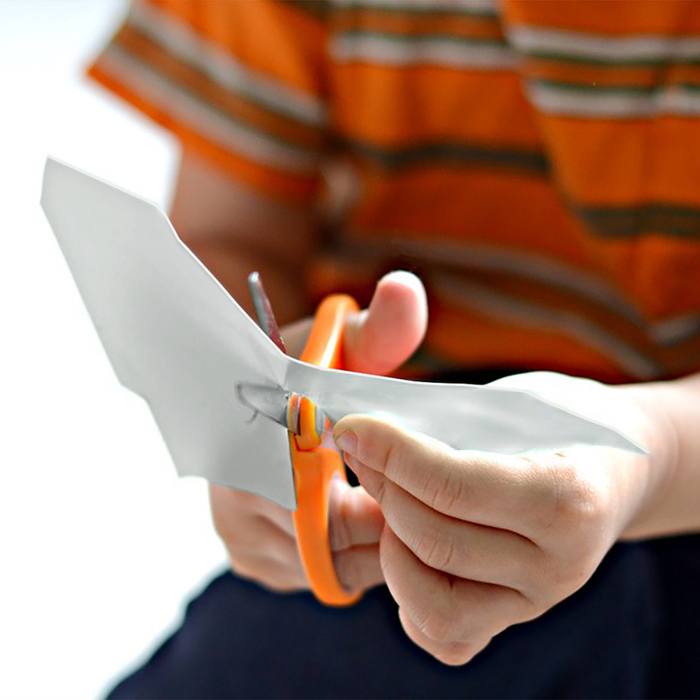
Lesson plans
Pick a lesson
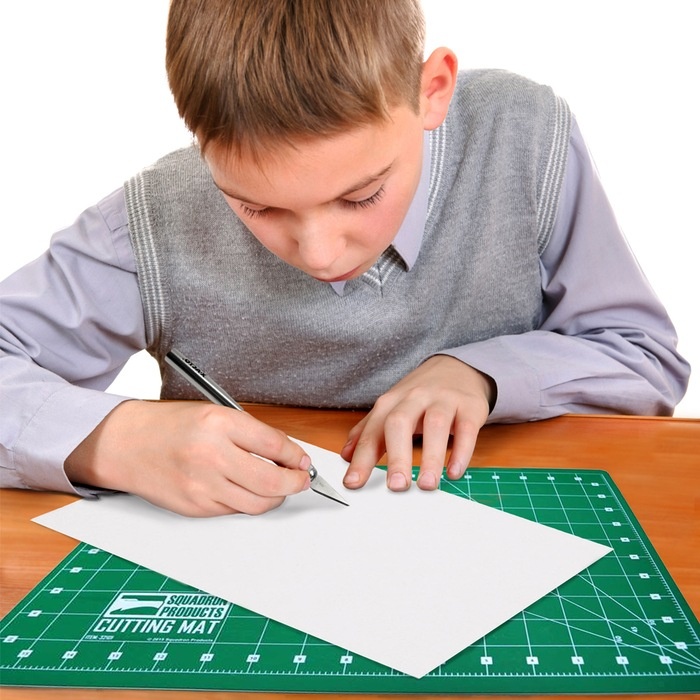
Grades 2–5
Crayon and glue cut-shape sculpture
Students cut shapes with scissors, color them with crayons and waterproof pens, then glue a balanced design.
- Scissors
- 1/32" white Taskboard
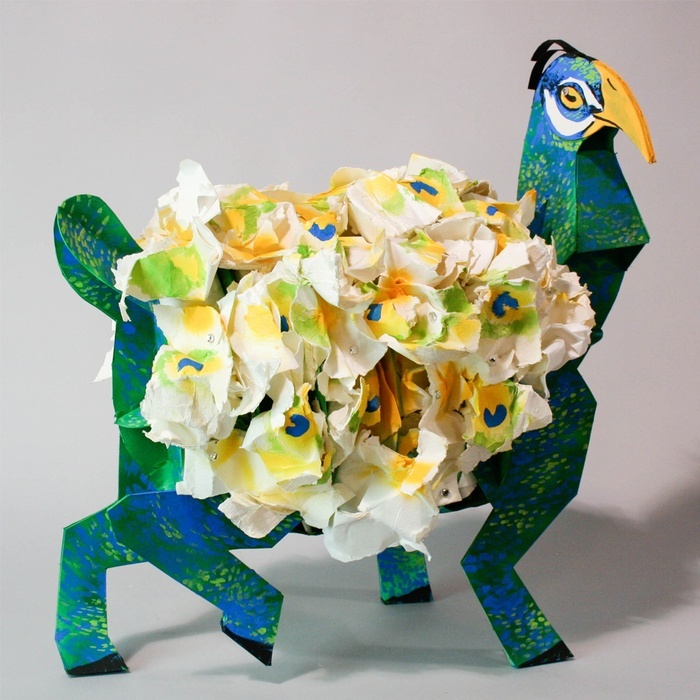
Grades 5–6
Sound wave group sculpture
A class builds one shared sculpture from scissor-cut shapes. A piece like it was shown at the San Diego Museum of Art.
- Scissors
- 1/32" white Taskboard
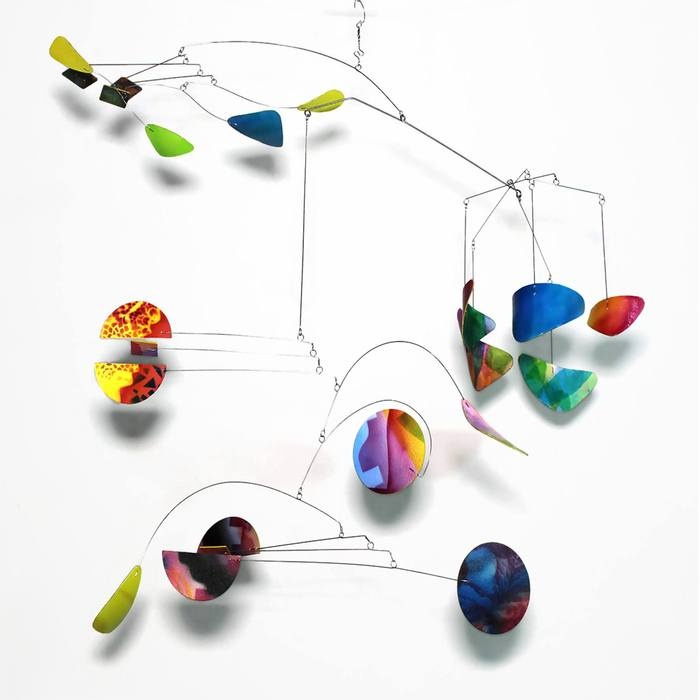
Grades 9–12
Stabile sculpture, inspired by Alexander Calder
Students design a maquette, then cut, glue and paint a stabile. One sheet serves two students.
- Craft knife
- 20" × 30" sheet, 1/16" thick
No lessons match yet. Clear a filter to see them all.
Why this board in the art room
Cuts like paper. Stands up like wood.
Scissors work
The 1/32" sheet cuts with ordinary scissors. Older students can use a craft knife on thicker sheets.
Sands like wood
Smooth an edge with sandpaper. Wear a particle mask when sanding.
Takes your supplies
Watercolor, tempera, markers and crayons all work on it.
Not cardboard
This is not cardboard, though you can certainly cut it with scissors or a craft knife.
One sheet, many pieces
The 10" × 20" sheet is a one-per-student size, sold only in our online store. A single 30" × 40" sheet cuts into many pieces, so a class goes a long way.
It stays flat
Finished work sits flat on the shelf.
Classroom sheets
Start with 1/32" white.
1/32" white is the thickness scissors cut. Every lesson names the thickness it uses.
From the classroom
What teachers say
“Students in Ceramics and Sculpture learned 3-dimensional design by studying Alexander Calder. Each student was given a piece of Taskboard to make these non-objective sculptures. It can be sanded like wood, cut like paper, or soaked in water to mold into organic curves.”